
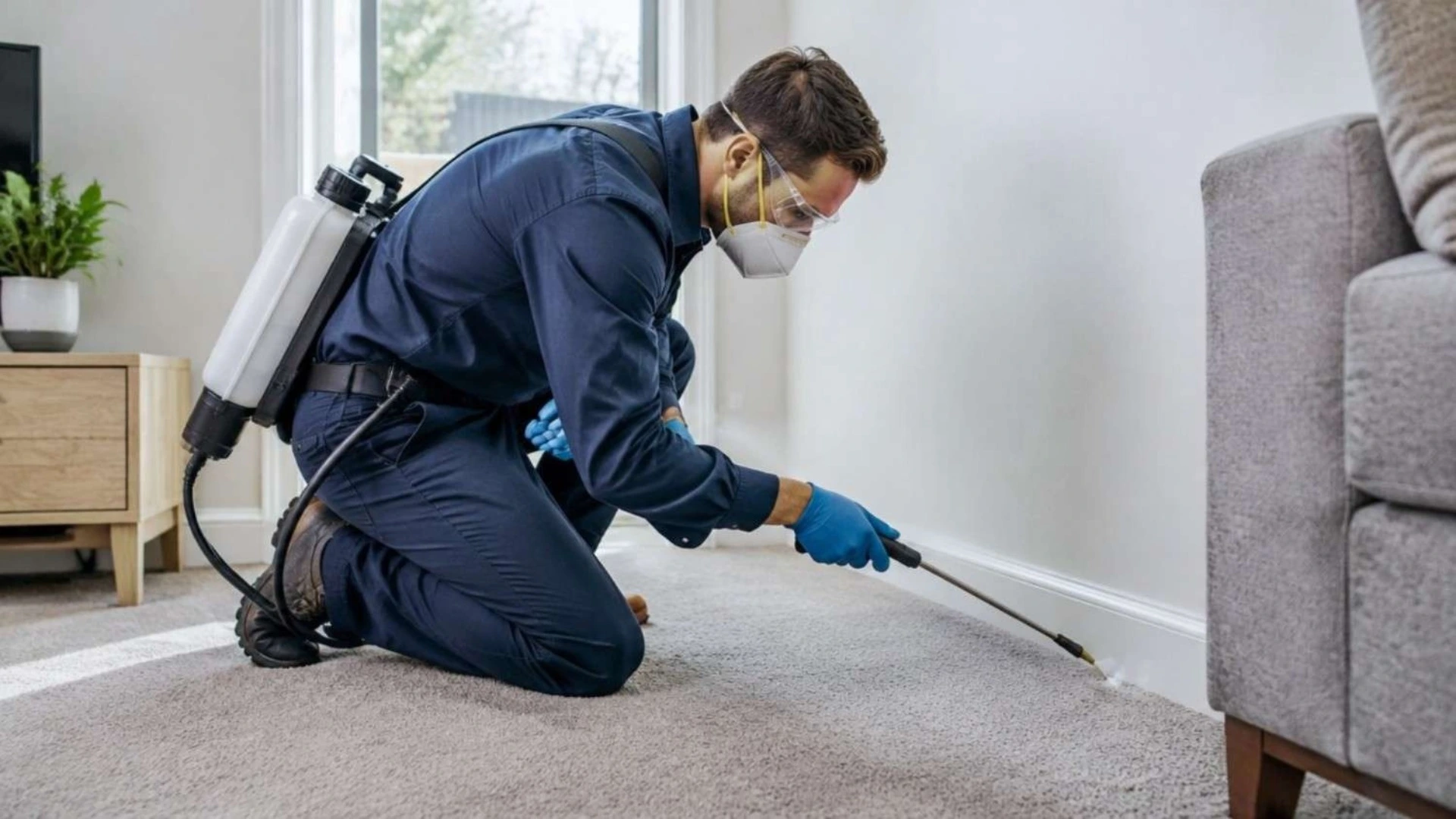
Fleas can quickly turn from a minor irritation into a persistent household problem, especially in homes with cats, dogs, carpet or outdoor areas where pets rest. The most effective approach is to treat your pets, clean the indoor environment and address outdoor breeding areas at the same time.
If fleas keep returning despite your efforts, City Pest Control Services offers residential pest control services in Canberra and Queanbeyan, including flea treatment options. This guide explains how to identify a flea infestation, manage fleas at home and understand when professional treatment may be needed.
What Are Fleas?
Fleas are small, wingless insects that feed on the blood of animals and sometimes humans. They are commonly brought into homes by pets but they can also arrive through wildlife, visitors, second-hand furniture or outdoor areas. Fleas move quickly and are difficult to see in carpet or pet bedding. Common signs include pets scratching or biting their skin, small dark specks in bedding and itchy red bites often around ankles and lower legs.
How Do You Know You Have a Flea Infestation?
- Frequent scratching in pets: Dogs and cats may scratch, bite or groom themselves more than usual.
- Small, itchy bites: Flea bites can appear as itchy red spots, often around the ankles and lower legs.
- Flea dirt: Tiny black specks in pet fur or on bedding may be flea droppings. When dampened on a white tissue, they can leave reddish-brown marks.
- Visible fleas: You may spot tiny dark insects moving through your pet’s fur, carpet or bedding.
- Recurring activity: Fleas may continue appearing even after vacuuming or treating your pet because immature stages can remain in the environment.
Identifying the source early helps you choose the right flea treatment for Canberra homes, rather than relying on repeated, untargeted spraying.
Understanding the Flea Life Cycle
Fleas develop through four stages: egg, larva, pupa and adult. Adult fleas live on a host, while eggs and larvae fall into carpets, floor cracks, furniture, pet bedding and outdoor resting areas.
This life cycle is why flea problems often seem to return after cleaning. Pupae can remain protected in their cocoons and emerge later when they detect movement, warmth or carbon dioxide from a nearby host. Effective flea control in Canberra therefore needs to target both the adult fleas on pets and the immature fleas living around the home.
How to Get Rid of Fleas at Home
Treat Your Pets First
If you have a dog or cat, speak with your veterinarian about a flea control product suitable for the animal’s species, age, weight and health. Follow the product instructions carefully and maintain the recommended treatment schedule.
Never assume a product intended for dogs is safe for cats. Some dog flea treatments contain ingredients that can be toxic to cats. Avoid combining flea products unless your veterinarian confirms that doing so is appropriate. Treating pets is important, but it will not resolve an established household infestation on its own.
Wash and Vacuum Thoroughly
Vacuum carpets, rugs, sofas, pet bedding, skirting boards, under furniture and cracks between floorboards. Pay special attention to areas where pets sleep or rest. During an active infestation, vacuum daily or every second day if possible. Empty the vacuum bag or canister into a sealed bag and dispose of it outside, because eggs, larvae and pupae may be collected during cleaning.
Wash bedding and soft furnishings
Wash pet bedding, blankets, cushion covers and any washable items your pets use in hot water. Dry them thoroughly in a dryer or in direct sunlight. Steam cleaning carpets and upholstered furniture can also help reduce flea eggs and larvae in areas that cannot be washed easily.
Tidy the Outdoor Areas
Fleas often breed in shaded, protected outdoor spaces where pets spend time. Focus on kennels, pet runs, under decks, garden beds and areas beneath shrubs or furniture. Keep lawns trimmed, remove organic debris, and avoid letting pets rest repeatedly in the same sheltered outdoor spots. A professional technician can identify the most important outdoor treatment zones around your property.
Why Professional Flea Treatment Helps
Home cleaning and pet prevention can help manage flea activity, but a larger infestation may require targeted treatment. Consider professional assistance if:
- Fleas continue appearing despite consistent cleaning and pet treatment.
- Multiple rooms are affected.
- You are experiencing repeated bites inside the property.
- Fleas return shortly after using household products.
- You are unsure where the infestation is concentrated.
Professional flea removal services Canberra residents choose should address the conditions allowing fleas to persist, not just the adult insects visible on the day.
- A pest technician can assess the affected areas, identify suitable treatment options and explain the preparation and aftercare required.
- Depending on the property and infestation, treatment may focus on carpets, floor edges, furniture surrounds or other relevant locations.
For details about available residential treatments, visit the home pest control Canberra page. The appropriate treatment and any follow-up requirements will depend on the circumstances.
Could Rodents Be Behind Your Fleas?
Sometimes a flea problem may not be coming from pets alone. Rats and mice can carry fleas into roof voids and walls and if you have no pets or the fleas keep returning, wildlife may be the source. In these cases, treating the fleas without dealing with the rodents won’t last. Our rodent control team can tackle both problems together.
How to Prevent Fleas Returning
Prevention is easier than eliminating a widespread infestation. Follow these steps:
- Use a veterinarian-recommended flea preventative year-round
- Treat every pet in the household consistently.
- Vacuum pet areas, carpets, and furniture regularly.
- Wash pet bedding weekly during high-risk periods.
- Keep gardens tidy and reduce shaded debris where fleas can breed.
- Seal gaps where wildlife could nest under floors or in roof spaces.
- Book routine pest inspections if fleas keep returning.
Year-round prevention is especially important because flea eggs and larvae can remain in the environment and lead to re-infestation if pets are not protected.
Get Help With Flea Treatment in Canberra
Getting rid of fleas takes more than removing the insects you can see. Consistent cleaning, appropriate pet treatment and targeted pest management work together to address the different stages of the flea life cycle and reduce the risk of reinfestation. If fleas are continuing to affect your home, City Pest Control Services offers flea treatments as part of its residential pest control services in Canberra and Queanbeyan.
Visit City Pest Control Services to learn more or contact the team to discuss the flea problem affecting your property.